
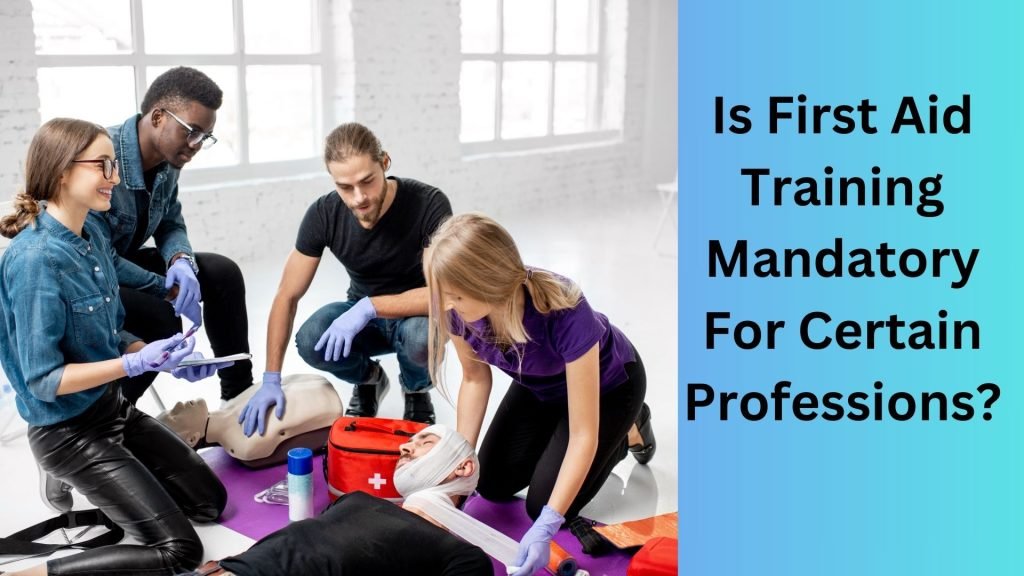
Having proper first aid training is critical for those working in fields with frequent injury risks or access to vulnerable populations.
But is this training legally required for certain professions? This article explores occupations and contexts where first aid certification is compulsory by law or strict industry standards.
Maintaining up-to-date first aid skills through routine training is essential for quick response to workplace accidents and medical emergencies. However, legal mandates around carrying first aid credentials vary greatly across different professions.
Some jobs require formal certification to even qualify for hiring. Others benefit strongly from certified training but don’t outright require it.
Understanding these nuances in your field’s particular regulations and protocols is key. Some jobs see first aid capabilities as an optional bonus for aspiring applicants during hiring.
For other roles, current certification represents a strict prerequisite enforced by nationwide laws or organizational policies.
So exactly which positions and work environments demand formal first aid accreditation? Let’s examine key professions where maintaining certification is absolutely mandatory.
Legally Required First Aid Training!
Certain occupations must keep first aid credentials current due to federal or state laws guarding public health and safety. These legal mandates often apply for jobs interacting routinely with large crowds, operating specialized equipment, overseeing hazardous work sites or providing direct patient care.
Healthcare Workers
Nurses, doctors, EMTs, medical techs and other roles caring directly for patient health and wellness require capacity to respond if someone’s condition suddenly deteriorates. As such, active first aid and CPR training represents a strict legal prerequisite enforced by nationwide healthcare administration laws. Specific positions with compulsory certification include:
- Nurses
- Doctors
- Dentists & Hygienists
- Physical Therapists
- Mental Health Counselors
Childcare Workers
Those overseeing groups of children also need first aid readiness to handle illnesses, injuries, choking and allergic reactions common among young kids. Many state laws enforce this requirement across positions like:
- Daycare Employees
- Camp Counselors
- Teachers
- Coaches
Emergency Responders
Careers centered on security, public safety and urgent response also demand capacity to deliver emergency first aid while awaiting paramedic backup. These frontline roles include:
- Police Officers
- Firefighters
- Security Guards
- Corrections Officers
Strongly Preferred First Aid Accreditation!
Beyond legally required mandates, other fields maintain strict preference for only hiring and staffing certified first aid professionals without outright requiring it. These occupations still represent contexts where certification delivers major advantages for aspiring applicants during hiring.
Fitness & Athletics
Jobs like personal trainers, lifeguards and team coaches work closely with the public during grueling workouts and competitive play where injuries remain likely. Maintaining first aid credentials ensures quick response for:
- Sprains, fractures, head trauma
- Drowning, oxygen loss
- Asthma attacks
- Heart issues
While technically optional, lacking certification hurts applicants’ competitiveness for most athletic positions.
Trades & Industrial Workers
Similarly, construction crews, contractors, factories and commercial operators handle heavy equipment where severe traumatic accidents might occur. First aid skills let workers urgently treat:
- Severed limbs, amputations
- Electrical or chemical burns
- Smoke inhalation
- Motor vehicle injuries
Hiring managers almost universally prefer candidates with certified emergency training when staffing trade jobs.
Our Final Fate
In summary, active first aid credentials represent compulsory prerequisites for healthcare, childcare and emergency response fields by federal/state health laws.
Certification also delivers major advantages across fitness, athletics, industrial and trades positions despite not being outright required.
Check your profession’s specific regulations and protocols to determine necessary certifications. But overall, maintaining capacity to urgently treat illnesses, wounds and injuries remains vital across roles involving public safety, patient care and operation of hazardous equipment. Consider pursuing formal first aid training to open doors across these vital industries.
Advance Training Academy courses are approved by industry regulators and designed to provide hands-on practical skills to help in emergencies.
Please explore our course pages for full details on objectives, topics covered, schedules, and prices. I’d also recommend reviewing our many positive Trustpilot reviews to learn more about students’ experiences.
Don’t hesitate to contact us if you need any recommendations or have additional questions. we would be happy to discuss which Level 3 first aid qualification would best suit your needs and help you book your preferred date.
Enrollment Options: To enroll in this course, you have two convenient options:
- Call our booking hotline at 02089658255
- Visit our website and check out our trust pilot reviews at Advance Training Academy- Aet – Sia – Assessment Reviews | Read Customer Service Reviews of www.advancetraininguk.com (trustpilot.com)
- Send an email to info@advancetraininguk.com


